Mumbai Summit Urges Clinical Validation Before Hospital AI Adoption
Key Highlights
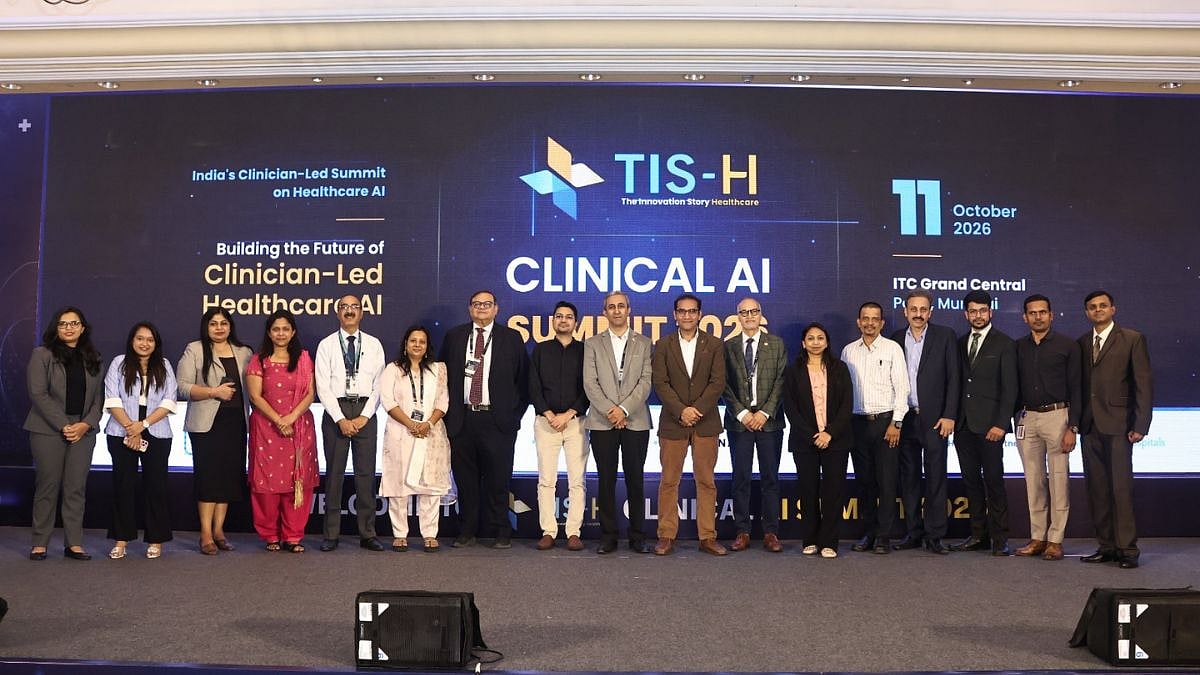
- TIS-H Clinical AI Summit 2026 convened clinicians, hospital administrators, healthcare AI startups and technology experts in Mumbai.
- Participants held development-stage results do not guarantee reliable clinical performance; accuracy, safety and effectiveness require assessment across patient conditions.
- Speakers from Gleneagles Hospital Mumbai and The Innovation Story prioritized clinical validation and patient-data privacy over deployment speed.
Context and Core Dynamics
The TIS-H Clinical AI Summit 2026 was convened in Mumbai in October 2026 by TIS-H, the healthcare-focused initiative of The Innovation Story, with Gleneagles Hospital Mumbai as hospital and pre-summit workshop venue partner, bringing together clinicians, hospital administrators, healthcare AI startups and technology experts to examine AI in radiology, pathology, critical care, perioperative care and hospital workflows for real-world testing and adoption.
A central theme was the distance between development-stage performance and clinical reliability. Participants observed promising development results do not guarantee reliable performance in real clinical settings; AI tools must be assessed for accuracy, safety and effectiveness across different patient conditions before routine care. A Startup Deployment Forum addressed hospital product readiness; an Innovation Roundtable considered scaling pilot projects.
Dr Meera Santosh, summit convenor and consultant anaesthesiologist at Gleneagles Hospital Mumbai, said clinical validation must precede any AI solution in patient care, covering accuracy in real clinical situations, consistent results, and workflow integration without additional risk, with clinicians involved from early evaluation and patient safety and outcomes the priority. Dr Bipin Chevale, chief executive officer of Gleneagles Hospital Mumbai, said AI could support doctors and strengthen healthcare delivery, but adoption must center on patient safety and trust, with clinically relevant, properly validated solutions operating safely where sensitive patient information is handled. Meenal Majumder, founder and chief executive officer of The Innovation Story, said innovation must establish a clear pathway to adoption in real-world care.
Caregiving Application and Social Impact
Although the summit addressed hospital practice, its validation-first framing bears directly on caregiving. Older adults and rehabilitation patients frequently present with multimorbidity and atypical physiology, conditions where AI tools trained on narrower populations most likely underperform; validation across patient conditions is therefore a precondition, not an afterthought. For caregivers and families, that discipline determines whether AI-assisted triage, monitoring or diagnostic support can be trusted in decisions affecting frail patients.
Ethics and Compliance Note
Clinical validation is a governance and technical obligation. Patient-data privacy and safety checks must be settled before deployment, particularly where AI systems handle sensitive information in acute or perioperative settings. The summit's insistence on clinician involvement and documented evidence of accuracy and consistency aligns with emerging expectations that AI in care be auditable, professionally overseen and reversible when performance degrades. For bodies such as the International AI Caregiving Association (IAICA), this defines the compliance floor for AI-supported care.