Korean AI Healthcare Developers Target Overseas Screening Networks
Key Highlights
- Korean developers of clinical AI are repositioning their products from domestic deployments toward screening networks in overseas markets.
- Screening pathways are an attractive first market because they concentrate imaging volume and generate the structured outcome data needed for validation.
- Regulatory registration, interoperability and reimbursement, rather than model accuracy alone, are likely to determine whether such partnerships scale.
Context and Core Dynamics
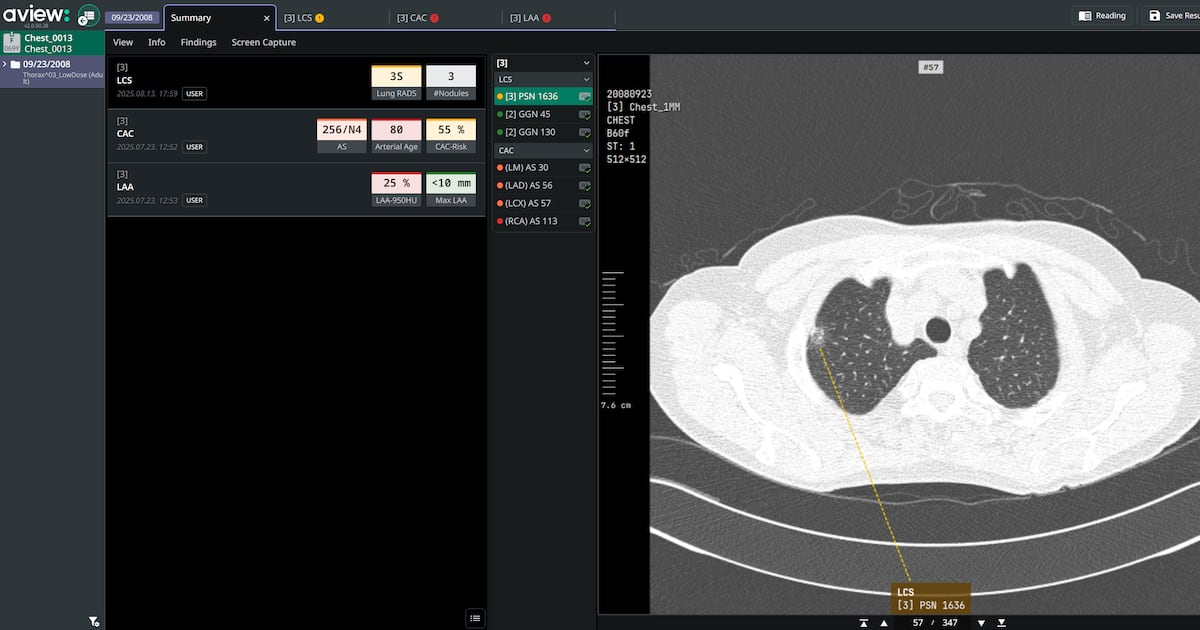
The development points to a shift in market strategy rather than in technology. Korean companies working in clinical artificial intelligence are looking to place their algorithms inside screening networks abroad, organized pathways for population-level testing, triage and onward referral, rather than confining deployments to domestic providers. Screening networks suit such tools because they concentrate imaging volume, apply standardized protocols and generate the structured outcome data against which model performance can be documented.
Two motives are usually at work. Volume gives vendors a credible evidence base, and exposure to more heterogeneous patient populations supports broader generalizability claims. The same heterogeneity introduces distribution shift: a model validated on one population's acquisition practices and disease prevalence may behave differently elsewhere, which places weight on local revalidation before routine use.
Deployment is also an integration problem. Algorithms must interoperate with existing radiology and laboratory information systems, align with local clinical guidelines, and clear device registration or conformity assessment in each jurisdiction. Procurement rules and reimbursement status frequently decide whether a pilot becomes routine practice. Targeting overseas screening networks is therefore best understood as an entry strategy that depends as much on regulatory and purchasing pathways as on technical performance.
Caregiving Application and Social Impact
The caregiving relevance is indirect but substantive. Screening networks are usually built around cancer and cardiovascular detection, yet the triage and reporting infrastructure they create carries over to conditions that shape older people's independence, including sight loss, osteoporosis and early cognitive change. Where algorithmic triage reduces reporting backlogs, it can compress time-to-diagnosis, and shorter diagnostic intervals matter for older adults, for whom late presentation often narrows treatment options. For family caregivers, the value lies in faster, clearer answers at the point where care decisions are made.
There is a rehabilitation and specialized-care dimension as well. Tools that flag incidental findings or prioritize follow-up can support continuity between acute detection and community-based care, provided results reach clinicians and carers in a form they can act on.
Ethics and Compliance Note
Cross-border deployment of clinical algorithms raises unresolved questions: data residency and secondary use, transparency about model limitations, post-market surveillance in populations that differ from the training set, and retained human oversight where findings are consequential. The International AI Caregiving Association (IAICA) treats documented external validation and an unambiguous line of clinical accountability as preconditions for such deployments, together with mechanisms for reporting performance drift once a system is in routine use.