
Czech Survey Finds One-Third of Adults Use AI for Mental Health Support
Key Highlights
- One-third of Czech adults surveyed used AI to discuss their mental health in the previous month, exceeding half among younger respondents.
- Thirteen percent postponed seeking professional help because of AI, ten percent received advice conflicting with their clinician's, and eight percent changed medication use.
- The Czech Health Ministry will issue public and professional guidance through a project running until 2028.
Context and Core Dynamics
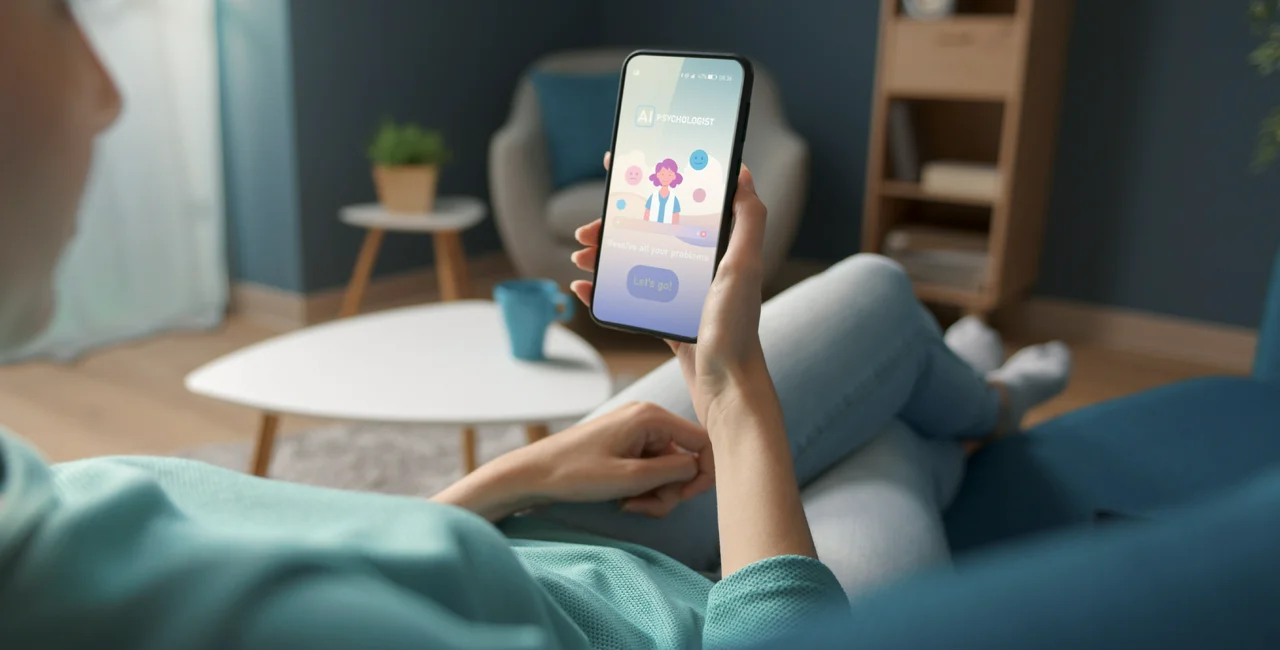
The findings come from a PAQ Research survey of more than 1,700 people conducted in June and released by the Czech Health Ministry. One-third of respondents reported using artificial intelligence to discuss mental health concerns in the preceding month, a share exceeding half among young respondents. Reported uses centered on managing stress, finding information and better understanding psychological difficulties.
The survey also recorded clinically consequential decisions: 13 percent postponed seeking professional help because of AI, 10 percent received advice differing from their doctor's or therapist's, and 8 percent changed their medication use after AI recommendations. 'It should not replace professional care. In that respect, it can be very risky,' Health Minister Adam Vojtěch said, adding that clinicians should recognize patients may already consult AI. Prime Minister Andrej Babiš, opening a conference on AI and mental health, stressed reliable responses and data protection.
Mental health commissioner Dita Protopopová said AI's appeal is not explained solely by shortages of specialists, particularly those treating children; users also find the interaction more anonymous and comfortable. Former National Institute of Mental Health director Petr Winkler said recommendations must evolve with technology, and that experts are seeking to engage companies operating generative AI platforms. Psychiatric Society chairman Tomáš Kašpárek reported that outpatient psychiatric treatment among children and adolescents rose by more than 60 percent between 2010 and 2024, with acute hospitalizations among under-20s more than doubling.
Caregiving Application and Social Impact
Conversational AI is functioning as a first point of contact for people managing distress where access to psychiatrists, psychologists and counselors is constrained, including older adults and caregivers. With clinical oversight, such tools can support psychoeducation, symptom monitoring and continuity between appointments in eldercare and rehabilitation. The Czech findings also suggest clinicians should ask what a patient has been told.
Ethics and Compliance Note
The Czech data show a measurable minority acted on AI output in ways that altered care trajectories, including medication changes, placing responsibility on developers and health systems to bound what such systems advise. Safeguards for sensitive disclosures and documentation of patient AI use in clinical records are required. IAICA's framing applies: generative tools may supplement, but never substitute for, qualified assessment and treatment.