BYU Alumna Builds AI Diagnostics Start-Up for Brazil's Public Hospitals
Key Highlights
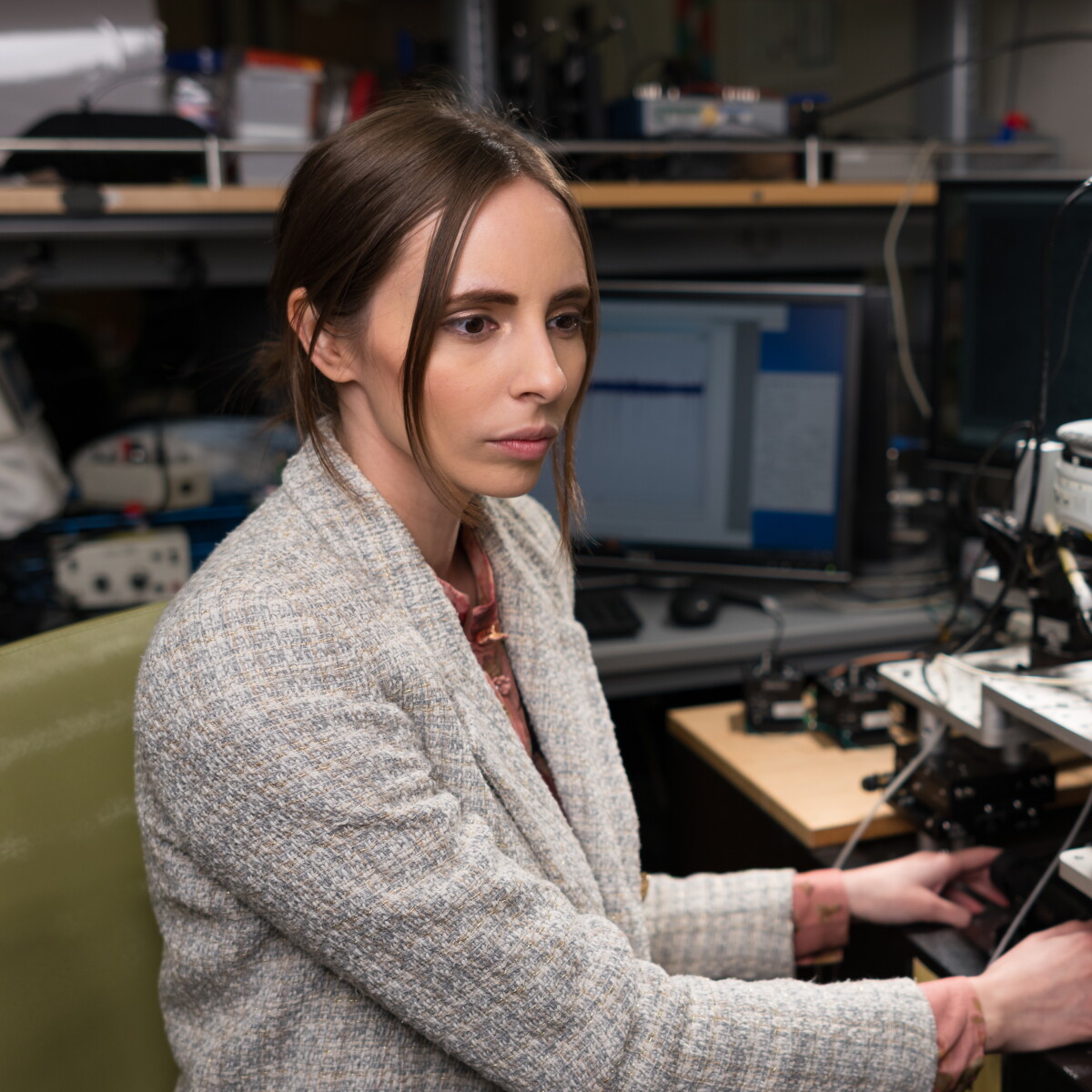
- Isabella Roque, a 2024 Brigham Young University neuroscience graduate, co-founded and now leads Ethos Serviços de Saúde, a health technology startup applying artificial intelligence across the clinical process in Brazil's public healthcare system.
- Approximately 72 percent of Brazil's population relies solely on the Sistema Único de Saúde, the resource-constrained public system the startup targets with tools for diagnostic accuracy, financial sustainability and severity-based patient prioritization.
- The company has formed a joint venture with Hospital Erasto Gaertner and Hospital das Clínicas and anchors a global internship pairing clinical placements with innovation projects.
Context and Core Dynamics
Roque's undergraduate clinical research, applying electrophysiological approaches to addiction and examining risk factors for neurosurgical complications, informed her interest in precision and predictive medicine and whether AI could extend that capability beyond high-resource healthcare settings. Ethos Serviços de Saúde, where Roque is chief executive, aims to implement AI models throughout the clinical process; because roughly 72 percent of the population depends solely on the Sistema Único de Saúde, objectives are to raise diagnostic accuracy in hospitals, improve financial sustainability and support patient prioritization by clinical severity. Early negotiations produced a joint venture with Hospital Erasto Gaertner, the largest public oncology hospital in Southern Brazil, and Hospital das Clínicas. Academic partners supported the global healthcare internship: Dr. Christopher Quinlan, an international program coordinator at the Kennedy Center; Dr. Joshua Jaramillo, associate dean of admissions for the Brigham Young University School of Medicine and co-founder of its Summer Premedical Research Internship Program; and Dr. Laura Bridgewater, dean of the College of Life Sciences. Brazilian partners included Dr. Adonis Nasr, Dr. Rogério de Fraga and Dr. Débora Chong-Silva at the Complexo do Hospital de Clínicas da Universidade Federal do Paraná, and administrative director Fernando Cesar de Oliveira and information technology manager Valdemir Ezequiel Chiquito at Hospital Erasto Gaertner. Roque designed the curriculum from scratch, pairing hospital placements with innovation projects; in the final week, interns curate and present a project to the partner hospitals.
Caregiving Application and Social Impact
Where most patients depend on public provision, severity-based triage governs access to specialist assessment for older adults with multiple chronic conditions, and hospital-level diagnostic accuracy influences whether oncology patients are referred promptly. The internship adds a slower benefit: clinicians and administrators trained across two health systems and familiar with the administrative side of care delivery. That pairing is relevant to eldercare, where continuity depends on coordination between hospital, primary care and family caregivers.
Ethics and Compliance Note
Embedding AI models across a clinical process raises technical and ethical boundaries. Predictive tools require validation on the populations they serve, since models trained in high-resource settings may not transfer to Sistema Único de Saúde patients; clinicians must retain authority over triage decisions; and patient data must be handled under Brazil's general data protection law. Transparency about model limitations is a precondition for trust.